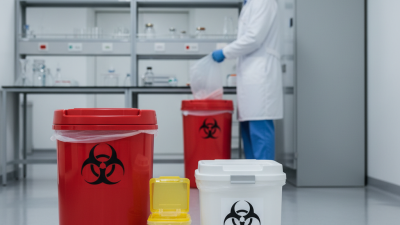
2026 How to Choose the Right Biohazard Bin?
Choosing a biohazard bin in 2026 is not simply a matter of color, capacity, or price. It is a practical safety decision made beside examination beds, laboratories, and treatment rooms. A nurse may need to discard a needle within seconds, while a cleaning team manages a heavier bag later. The container must support both moments.
The World Health Organization reports that about 85% of healthcare waste is general waste, while 15% is hazardous. That smaller share can still create serious exposure, infection, and environmental risks when segregation fails. WHO’s 2024 healthcare waste guidance also emphasizes proper separation, collection, storage, treatment, and disposal. These findings make bin selection part of a complete waste-management system, not an isolated purchase. The OSHA Bloodborne Pathogens Standard offers a useful technical benchmark in the United States. It describes sharps containers as closable, puncture-resistant, leakproof on the sides and bottom, and properly labeled or color-coded.
In real facilities, the best choice depends on waste type, filling speed, access, transport routes, and staff behavior. A small sharps container may fit beside a procedure chair, but overflow can happen sooner than expected. A larger model may reduce replacement frequency, yet occupy valuable floor space. There is no perfect bin. Teams sometimes choose familiar products without reviewing actual usage data. That habit deserves questioning. This guide examines material strength, closure design, volume, visibility, compliance considerations, and total operating cost, helping buyers select a biohazard bin that works safely in daily practice.
What Defines a Biohazard Bin and Its Intended Use
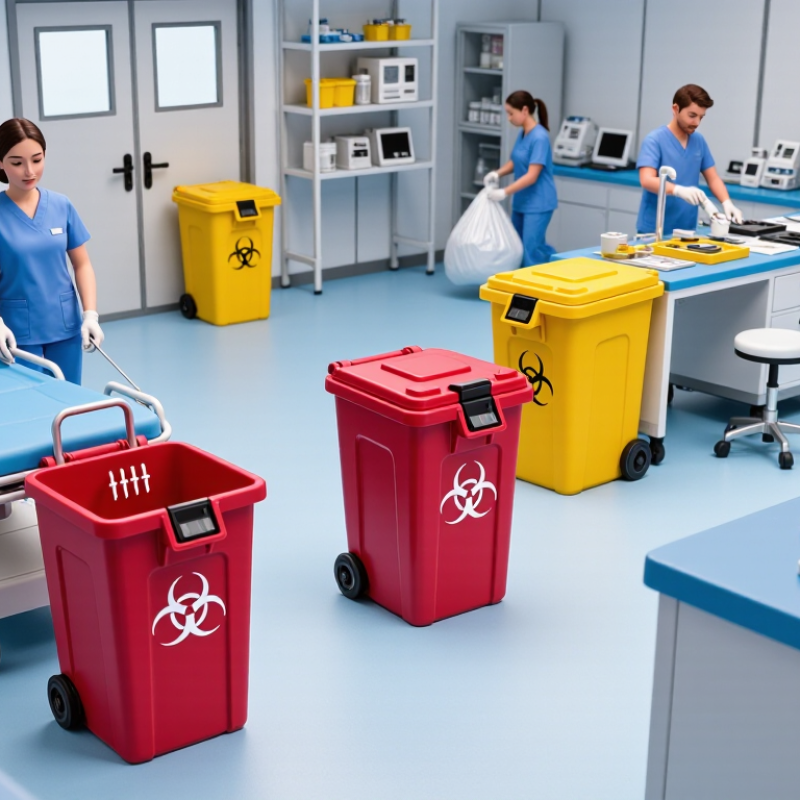
A biohazard bin is a marked container designed for waste that may carry infectious biological material. Its purpose is containment, not ordinary storage. Typical contents include used gloves, blood-stained dressings, culture materials, and contaminated disposable tools. The exact waste category depends on the work area and local healthcare procedures.
The bin should resist leaks, remain stable, and close securely. A rigid container suits sharps because needles can puncture thin plastic bags. A lined, closable container may suit softer contaminated waste. Look for clear hazard labeling, a wide opening, and a fill line that prevents overloading. The container must stay near the point of use, so staff do not carry exposed waste across a room.
I once saw a small bin placed beside a busy treatment chair. It was correctly labeled but filled too quickly. That detail mattered more than its appearance. A suitable biohazard bin matches the waste, volume, handling method, and disposal procedure. Staff should check the container before each task and replace it when it reaches the marked limit. Never force material inside. Never press waste down by hand. Safety instructions can seem obvious, yet rushed routines still create weak points. Local requirements and workplace risk assessments should guide the final selection.
How to Classify Waste Before Choosing a Biohazard Bin
Choosing a biohazard bin begins with classifying the waste, not matching a color.
During a routine waste-room review, I found gauze, needles, and liquid cultures placed together. That shortcut created avoidable handling risks.
A contaminated solid needs a leak-resistant bag or container. A used needle needs a rigid, puncture-resistant sharps container. Liquids may require a sealed, leak-proof vessel with secondary containment.
Look at the waste’s physical form and hazard source.
Sharps can puncture flexible bags, even when the bag appears strong. Infectious cultures and blood-contaminated liquids need containers that prevent leaks during movement. Pathological materials may require separate, labeled containers under facility procedures.
Chemical disinfectants, pharmaceutical residues, and radioactive materials should not enter a standard biohazard bin. Their risks differ. Check the safety data sheet and site waste policy.
A clear label should identify the waste type, room, and closure date when required. Keep bins upright, replace them before the fill line, and never press contents down by hand. Color codes vary between facilities, so labels matter more than assumptions.
I still find classification difficult when one item carries multiple hazards. In that case, choose the container that controls the most serious risk and ask the safety officer to verify it.
Small details matter.
A leaking lid, unclear label, or overfilled bin can undermine an otherwise careful system.
How to Select the Right Bin Size, Material, and Closure
Choosing a biohazard bin starts with the waste stream, not the color. A clinic handling used dressings needs different capacity from a laboratory processing liquid cultures. Estimate daily volume, then add room for safe closure without compressing contents. A half-filled container is easier to lift and less likely to spill. Measure the placement area, including lid clearance and staff movement. Do not rely on guesswork.
Select a small bin for point-of-use collection and a larger unit for controlled central areas. Oversized bins can encourage overfilling, while undersized bins create frequent handling and exposure opportunities. Rigid, puncture-resistant plastic suits sharps and items with sharp edges. For soft contaminated materials, a durable, leak-resistant container may be more practical. Liquid waste requires a container designed for liquids, with compatible seals and secondary containment when needed. Material compatibility matters.
Closure design should match the movement from collection to final treatment. A temporary lid supports access during active work, but it must prevent accidental opening between uses. A locking or tamper-evident closure is more suitable for internal transport and storage. Check that staff can operate it with gloved hands without forcing the mechanism. In practice, teams sometimes choose strong bins that are awkward to close. That detail deserves honest review. Train users to close the bin at the marked fill line, label it clearly, and inspect it for cracks or leakage. Requirements vary by facility and jurisdiction, so confirm applicable occupational-health and waste-management guidance before purchase.
2026 How to Choose the Right Biohazard Bin?
Select the bin size according to the waste volume and collection frequency. Use rigid, leak-resistant plastic for most infectious waste, puncture-resistant containers for sharps, and a secure closure that prevents leakage and unauthorized access.
Typical capacity options: Smaller 1–2 gallon containers suit examination rooms and point-of-use sharps disposal. Medium 5–10 gallon bins are commonly used for treatment areas, while 20 gallon containers are suitable for higher-volume collection points. Actual capacity and closure requirements must follow local healthcare-waste regulations.
Which Safety Standards and Labeling Requirements Apply
2026 How to Choose the Right Biohazard Bin?
Which Safety Standards and Labeling Requirements Apply
Choosing a biohazard bin starts with the waste, not the container’s color. Infectious materials need a leak-resistant, closable container with enough strength for daily handling. Sharps require puncture-resistant bins that remain stable when placed near a work surface. A loose lid or overfilled container can create a serious exposure risk.
Labeling rules vary by country, region, and waste category. Most facilities require the biohazard symbol, a clear hazard description, and instructions for safe closure. Some jurisdictions also require specific red or orange color coding. Transported waste may need approved packaging marks, generator details, and tracking information. Check the current rules from your workplace regulator and licensed waste contractor.
A practical inspection should take less than a minute. Confirm that the label is readable from standing height. Check the lid, seams, mounting point, and fill line. Keep labels clean and firmly attached. A bin may meet one standard but fail another during transport. That detail is easy to miss. I would not rely on color alone, because lighting and local practices can cause confusion. The safest choice matches the waste type, location, handling method, and applicable authority requirements. Recheck the specification whenever procedures, waste streams, or local rules change.
How to Place, Handle, Store, and Dispose of the Bin Properly
Choosing the right biohazard bin starts with the waste stream, not the color.
Sharps require rigid, puncture-resistant containers with narrow openings. Soiled materials need leak-resistant bags inside closable, labeled containers.
The World Health Organization reports that about 15% of healthcare waste is hazardous, including infectious, chemical, or sharp materials.
Mixing these categories creates preventable risks.
Place the bin close to the point of use, but never in a patient walkway.
Keep it upright on a stable surface. Staff should seal gloves, gauze, and other contaminated items without compressing them by hand.
OSHA guidance requires containers to be closable, leak-resistant, and properly labeled or color-coded.
Replace them before they become overfilled.
The small gap matters.
Store sealed bins in a restricted, ventilated area away from food, heat, and public access.
Inspect the exterior before moving it. If leakage appears, isolate the container and follow the facility’s spill procedure.
WHO states that one in six healthcare facilities lacks basic waste-management services, showing how easily storage controls can fail.
Disposal should use an authorized healthcare-waste service and documented collection records. Local requirements may differ, and our procedure may still need review.
A clean label cannot correct poor handling.