Biology products support research, diagnostics, education, and many regulated laboratory applications. They include antibodies, enzymes, culture media, molecular kits, reference materials, and other biological reagents. Each product carries different handling, storage, and performance requirements. Therefore, sourcing is not simply a price comparison.
A reliable buyer should examine identity, purity, concentration, batch records, certificates of analysis, and expiration dates. Temperature matters. A reagent arriving warm may look normal but perform poorly later. Confirm cold-chain packaging, delivery conditions, and replacement policies before ordering. Check whether the supplier provides technical data, safety documentation, and clear instructions for intended use. Independent quality certifications can help, but they should not replace direct verification.
Dr. Tedros Adhanom Ghebreyesus, a leading global health authority, has said, “No one is safe until everyone is safe.” His statement also reflects responsible sourcing. Biology products can affect research quality, patient safety, and public trust. Buyers should use authorized suppliers and follow applicable institutional, national, and international requirements. Traceability is essential. Keep purchase records, lot numbers, storage logs, and receiving inspections.
A polished website proves little. Real reliability appears in consistent documentation and responsive support. Still, no supplier is perfect. Product availability can change, and specifications may need closer review. This guide explains how to compare biology products, assess suppliers, and build a safer, more dependable purchasing process.
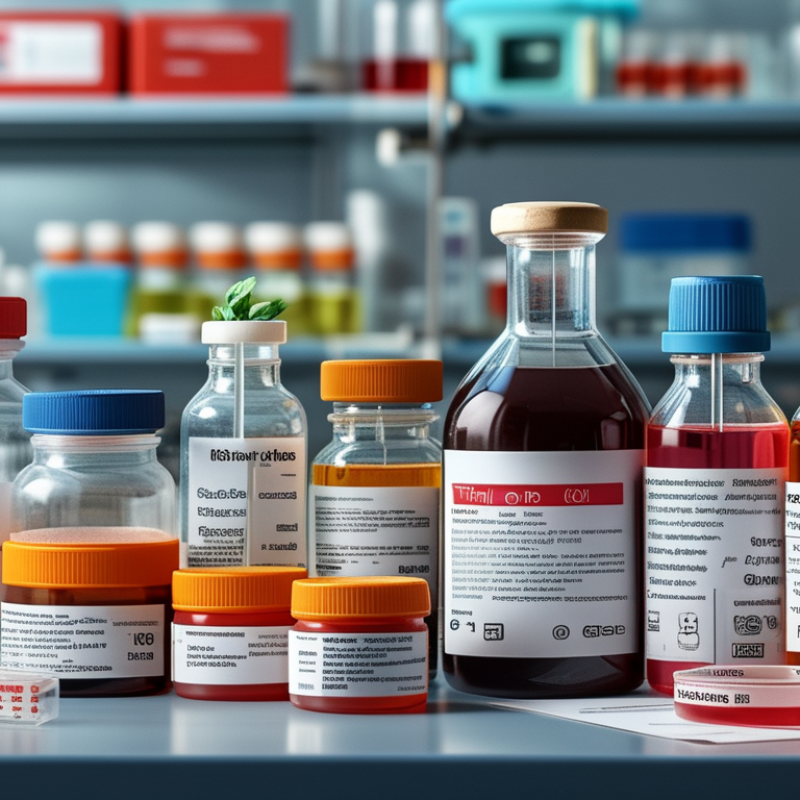
Biology products are materials used to study, measure, or support living systems. They include enzymes, antibodies, nucleic acids, culture media, buffers, and laboratory-grade proteins. Some products help detect a target molecule. Others support cell growth or control a reaction. Their purpose matters as much as their name. A reagent designed for research may not be suitable for clinical use. Clear labeling prevents risky assumptions.
Reliable sourcing begins with technical details, not attractive packaging. Check the product’s intended application, purity, concentration, storage temperature, shelf life, and lot information. A certificate of analysis can confirm key specifications.
Safety data sheets explain handling and disposal requirements. Cold-chain materials should arrive with suitable packaging and temperature indicators. Even a short temperature rise may affect sensitive proteins or cells.
In practice, traceability is easy to underestimate. A well-organized record should connect the product, lot, supplier, purchase date, and laboratory user. Small details matter. Before use, compare the received label with the order and inspect the container for damage. Product descriptions can still be incomplete, and technical judgment is not perfect. When performance changes unexpectedly, checking storage history and control results often reveals more than immediately blaming the experiment.
Biology products cover a wide range of laboratory and teaching needs. Research reagents include buffers, stains, enzymes, antibodies, and nucleic acid materials. Many suppliers also offer prepared culture media, purified proteins, and reference samples. These products support tasks such as DNA analysis, microscopy, protein testing, and basic cell studies. Some materials are supplied as liquids, while others arrive as powders or frozen components.
Laboratories also source equipment-related products. Common examples include sterile tubes, pipette tips, filtration units, slides, and sample containers. Educational biology products may include microscope slides, preserved specimens, model systems, and safe classroom kits. Clinical-use materials require extra attention because their intended purpose, documentation, and regulatory status may differ from research products. The label matters.
A reliable purchasing process checks more than price. Buyers should review the product specification, storage temperature, shelf life, lot number, certificate of analysis, and safety documentation. Cold-chain packaging matters. A damaged ice pack can affect sensitive materials before delivery. Traceability is essential when results must be repeated or audited. No catalog description is perfect. A product can appear suitable yet lack the concentration, purity, or compatibility required by a specific protocol. Comparing technical data with the actual workflow prevents avoidable waste. When uncertainty remains, requesting a small trial quantity may be wiser than placing a large order.
Biology products are made from living cells, biological molecules, or carefully processed natural materials. Their production begins with qualified raw materials and a controlled manufacturing environment. Technicians monitor temperature, pH, mixing speed, and exposure time during each stage. Small changes can affect the final product.
For cell-based materials, trained teams grow cells in sterile vessels and check their appearance, growth rate, and identity. Protein-based products may be separated through filtration, chromatography, or concentration steps. Each batch receives a detailed record. These records track equipment settings, operators, materials, and unexpected events. Clean rooms, calibrated instruments, and validated procedures reduce contamination risks.
Testing happens throughout production, not only at the end. Laboratories may examine identity, purity, concentration, biological activity, sterility, and unwanted microbial contamination. Stability testing stores samples under different temperatures and then measures changes over time. A product should meet predetermined specifications before release. No test is flawless. Sampling can miss a problem, and some biological activity is difficult to measure with one method. That is why reliable producers use multiple tests, trained analysts, independent reviews, and retained samples. Customers should ask for batch-specific test reports, storage instructions, expiration information, and evidence of quality controls. Clear documentation matters as much as a clean-looking vial.
Quality starts before a biology product reaches the laboratory or clinic. Ask for a current certificate of analysis, lot number, manufacturing date, and storage history. The certificate should identify test methods, acceptance limits, and the responsible quality unit. A supplier that cannot explain deviations deserves caution. Documentation matters.
WHO estimates that one in ten medical products in low- and middle-income countries is substandard or falsified (WHO, A Study on the Public Health and Socioeconomic Impact of Substandard and Falsified Medical Products, 2017). This figure supports practical checks, not panic. Verify identity, purity, sterility, endotoxin levels, and potency through independent testing when risk justifies the cost. For temperature-sensitive materials, inspect data loggers and shipping records. A cold box can look intact while exposure has already occurred.
Supply continuity also affects safety. The U.S. FDA reported 55 new drug shortages in 2023, showing why buyers should assess manufacturing capacity, backup sites, and batch-release timelines (FDA, Drug Shortages Report, 2023). I would not trust a perfect-looking certificate alone. Supplier audits, complaint records, recall procedures, and change-control notices reveal more. Some small laboratories skip these steps under budget pressure. That is understandable, but still risky. Quality decisions should be recorded, reviewed, and repeated when product performance changes.
Temperature control is a fundamental part of biological product quality and safety evaluation. Common reference conditions include refrigerated storage at 2–8°C, frozen storage near −20°C, ultra-low-temperature storage near −80°C, and cryogenic storage in liquid nitrogen at approximately −196°C.
When sourcing a biological product, also verify the certificate of analysis, identity, purity, sterility or bioburden results where applicable, endotoxin and mycoplasma testing when relevant, expiration date, lot traceability, validated shipping conditions, and documented temperature-monitoring records. Product-specific stability data and applicable regulatory requirements should always take precedence.
Reference basis: widely used biological-material storage conditions described in good storage and distribution practices. Actual requirements vary by product and validated stability data.
Sourcing biology products begins with a precise description of the intended use. A research laboratory may need antibodies, enzymes, cell culture materials, or non-clinical educational kits. Each item requires different handling, documentation, and storage conditions. Define the species, concentration, format, quantity, and acceptable shelf life before contacting suppliers. Vague requests often produce unsuitable products and wasted budgets.
Reliable sources usually include licensed distributors, university procurement networks, certified laboratories, and established scientific supply companies. Check their quality systems, product specifications, lot numbers, certificates of analysis, and traceability records. Ask how materials are packed during transport. Temperature-sensitive items may require insulated containers, monitoring labels, and prompt delivery. Confirm import rules, institutional approvals, and waste procedures before placing an order. Do not assume a familiar product is automatically suitable.
Small details matter. A damaged seal, unclear label, or missing storage instruction deserves immediate attention. Keep photographs and delivery records. Compare the received material with the purchase order before use. Independent testing can be sensible for critical research, although it adds time and cost. In practice, sourcing is rarely flawless. A supplier may respond slowly, or a shipment may arrive later than expected. That weakness should be recorded, not ignored. Better decisions come from reviewing past batches, delivery performance, and technical support quality. Reliability grows through evidence, careful questions, and honest documentation.
| Biology Product Category | Typical Products | Common Sourcing Route | Key Quality Information | Typical Storage | Main Compliance Considerations | Best-Sourcing Checklist |
|---|---|---|---|---|---|---|
| Research Reagents | Buffers, stains, inhibitors, assay reagents, and laboratory chemicals used in biological experiments. | Specialized laboratory suppliers, institutional purchasing systems, and qualified distributors. | Purity, concentration, lot number, certificate of analysis, expiration date, and validated application data. | Usually room temperature, refrigerated, or frozen depending on the formulation. | Chemical safety documentation, labeling, transport requirements, and laboratory biosafety procedures. | Confirm grade, intended application, batch documentation, delivery conditions, and return policy. |
| Antibodies | Primary and secondary antibodies for immunoassays, microscopy, flow cytometry, and protein detection. | Validated antibody suppliers, research distributors, or institutional core facilities. | Host species, clone or immunogen information, target reactivity, application validation, specificity, and lot consistency. | Commonly refrigerated at 2–8°C or frozen; repeated freeze-thaw cycles may reduce performance. | Research-use labeling, animal-origin information, and appropriate handling of preservatives or biological materials. | Match species and application, review validation data, check concentration, and request technical support when needed. |
| Enzymes and Proteins | Polymerases, proteases, ligases, recombinant proteins, growth factors, and other functional biomolecules. | Biotechnology suppliers, research distributors, and qualified contract manufacturing sources. | Specific activity, purity, formulation, endotoxin level, protein concentration, stability, and performance specifications. | Often refrigerated or frozen; some products require dry ice shipment or protection from light. | Origin, animal-free status where relevant, cold-chain controls, and documentation for research or manufacturing use. | Compare activity units, formulation compatibility, batch records, shipping validation, and minimum order quantity. |
| Cell Culture Media and Supplements | Basal media, serum supplements, antibiotics, dissociation reagents, and defined growth supplements. | Cell-culture suppliers, institutional procurement platforms, and validated laboratory distributors. | pH, osmolality, sterility, formulation, performance testing, endotoxin level, and animal-origin or animal-free status. | Usually refrigerated; some powders are stored dry and reconstituted according to instructions. | Aseptic handling, sterility assurance, animal-origin documentation, and traceability of critical components. | Verify compatibility with the cell line, expiration date, temperature history, and packaging integrity. |
| Nucleic Acid Products | DNA, RNA, oligonucleotides, primers, probes, plasmids, and nucleic-acid purification materials. | Specialized molecular biology suppliers, sequencing facilities, plasmid repositories, or qualified custom-production services. | Sequence accuracy, concentration, purity ratios, identity confirmation, nuclease-free status, and quality-control results. | Storage ranges from refrigerated to frozen, depending on the molecule, formulation, and intended shelf life. | Sequence confidentiality, genetic-material handling, import requirements, and biosafety review for biological constructs. | Confirm sequence, scale, modification requirements, purity grade, delivery format, and documentation of identity. |
| Microorganisms and Biological Cultures | Bacterial strains, yeast, fungi, reference cultures, and non-pathogenic or regulated biological materials. | Recognized culture collections, academic repositories, institutional biobanks, or authorized biological-material suppliers. | Strain identity, authentication method, viability, purity, passage history, biosafety classification, and genetic stability. | May require refrigeration, freezing, cryogenic storage, or controlled transport media. | Biosafety level, permits, import and export controls, transport classification, and institutional approval. | Review strain status, required permits, packaging standards, chain of custody, and receiving-laboratory capability. |
| Cell Lines and Primary Cells | Established cell lines, primary human or animal cells, stem-cell products, and cryopreserved cell stocks. | Authenticated cell banks, academic repositories, biobanks, or qualified biological-resource centers. | Authentication, mycoplasma testing, viability, passage number, donor information, genotype or phenotype, and contamination screening. | Typically maintained in vapor-phase liquid nitrogen or shipped frozen on dry ice, depending on the product. | Human-subject consent, privacy requirements, biosafety review, material-transfer agreements, and genetic-resource rules. | Check authentication records, passage limits, donor permissions, shipment temperature, and required culture conditions. |
| Biological Samples and Biobanking Materials | Serum, plasma, tissue, swabs, purified specimens, and preserved samples for research or analytical use. | Accredited biobanks, hospitals, research networks, contract sample providers, or approved institutional collections. | Donor or specimen metadata, collection method, processing time, storage history, infectious-disease testing, and sample integrity. | Storage may be ambient, refrigerated, frozen, or cryogenic according to sample type and study requirements. | Ethical approval, informed consent, privacy protection, biosafety, transport regulations, and material-transfer terms. | Define inclusion criteria, required metadata, sample volume, testing requirements, chain of custody, and delivery temperature. |
| Diagnostic and Molecular Test Components | Controls, calibrators, extraction reagents, primers, probes, assay antibodies, and test-development materials. | Qualified diagnostic suppliers, specialized manufacturers, contract development organizations, or regulated distributors. | Analytical sensitivity, specificity, reproducibility, stability, lot release data, and intended-use documentation. | Usually refrigerated or frozen, with validated shipping and temperature-monitoring requirements. | Applicable medical-device, in-vitro diagnostic, quality-system, labeling, and performance-evaluation requirements. | Clarify intended use, regulatory status, validation package, lot traceability, stability period, and post-delivery support. |
| General Sourcing Controls | Supplier qualification, purchase specifications, incoming inspection, inventory control, and product traceability. | Approved supplier lists, institutional procurement teams, qualified distributors, and documented competitive sourcing. | Supplier certifications, quality agreements, certificates of analysis, deviation records, and complaint history. | Maintain documented temperature ranges, storage monitoring, backup capacity, and stock rotation procedures. | Follow applicable biosafety, chemical safety, import and export, ethical, environmental, and product-specific regulations. | Compare total cost, lead time, quality evidence, logistics risk, technical support, and continuity of supply. |
Note: Storage conditions, shipping requirements, and regulatory obligations vary by product, formulation, intended use, and jurisdiction. Always follow the supplier's current product documentation and applicable institutional procedures.