What Are the Types of Rotating Machines and Their Uses?
Rotating Machines are essential components in various industries. They convert energy into mechanical power. This function is crucial in manufacturing, transportation, and power generation. Understanding the different types of rotating machines can enhance efficiency and effectiveness in operations.
These machines are categorized based on their design and application. Electric motors, turbines, and generators are common examples. Each type plays a unique role. For instance, electric motors drive machines in factories, while turbines generate electricity from wind or water. The versatility of rotating machines makes them integral to modern technology.
However, not all rotating machines perform optimally. Issues like wear and tear can impact their efficiency. Regular maintenance is vital. Identifying and addressing problems early can prevent costly breakdowns. As technology advances, exploring new designs may improve performance further. The importance of rotating machines goes beyond mere function; it involves constantly adapting and innovating.
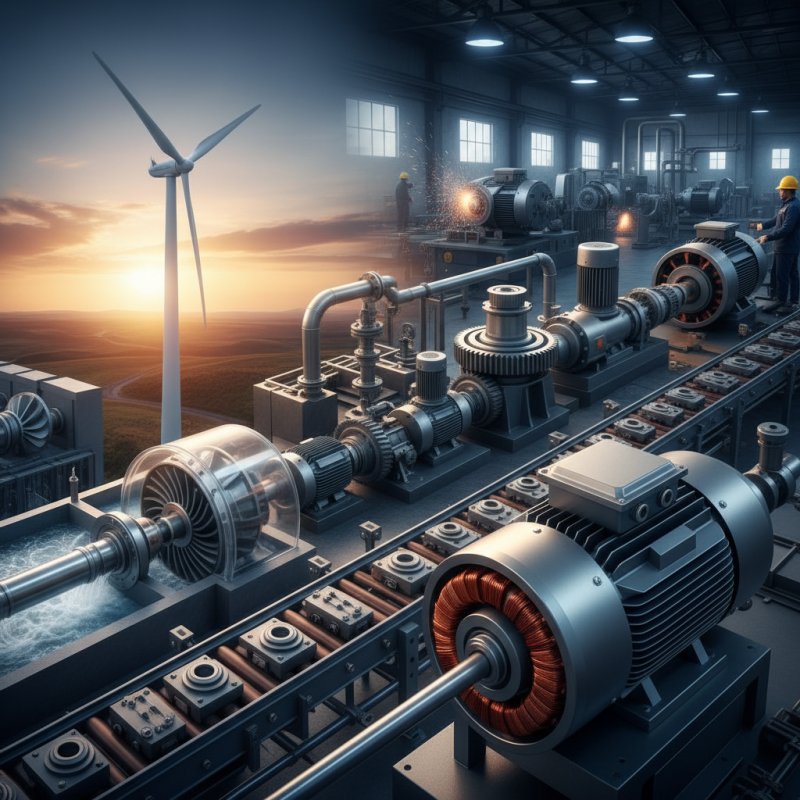
Types of Rotating Machines: An Overview
Rotating machines play a vital role in various industries. They come in different types, each serving specific functions. Common types include electric motors, generators, and turbines. Electric motors convert electrical energy into mechanical energy. They are widely used in appliances, tools, and vehicles. Generators, on the other hand, transform mechanical energy into electricity. They are essential in power plants and backup systems.
Turbines are another significant type. They harness wind, water, or steam to produce energy. Wind turbines, for example, generate power from wind movement. This renewable energy source is growing in popularity. However, the implementation of turbines is not without challenges. Some people raise concerns about their environmental impact.
Designing and maintaining these machines require careful consideration. Many machines operate under high stress and may fail if not properly managed. Regular maintenance is crucial to prolong their lifespan. However, this often gets overlooked in busy industries. Investing time in proper maintenance can save costs in the long run. Understanding these rotating machines is key to improving efficiency and reliability in various applications.
Types of Rotating Machines and Their Uses
Electric Machines: Motors and Generators Explained
Electric machines play a crucial role in modern technology. They can be categorized mainly as motors and generators. Motors convert electrical energy into mechanical energy. They are widely used in household appliances, electric vehicles, and industrial equipment.
According to the International Energy Agency (IEA), electric motors account for approximately 45% of global electricity consumption. This significant figure highlights the importance of efficiency in motor design. Generators, on the other hand, convert mechanical energy back into electrical energy. They are essential in power generation plants and renewable energy systems like wind turbines.
Despite their benefits, there are challenges. Many existing motors are less efficient than the latest models. According to studies, upgrading to more efficient motors can reduce energy consumption by up to 20%. However, not all industries prioritize this transition. Older machines may still prevail due to budget constraints, which leads to an ongoing debate about energy sustainability and innovation.
Internal Combustion Engines: Principles and Applications
Internal combustion engines (ICEs) are vital components in many sectors. They power vehicles, generators, and machinery. According to the International Energy Agency (IEA), over 1.4 billion cars are using ICEs globally. These engines convert fuel into energy, driving pistons that create motion.
The principle behind ICEs involves igniting a fuel-air mixture within a cylinder. This combustion process generates pressure. That pressure pushes a piston, turning the crankshaft. Despite their efficiency, ICEs face challenges. They emit greenhouse gases, contributing to climate change. A report from the Environmental Protection Agency (EPA) notes that transportation accounts for nearly 29% of total greenhouse gas emissions in the U.S.
Innovations are emerging to address these issues. Cleaner fuels and improved designs are essential. Some experts argue that while ICEs serve important roles, the shift to sustainable options is critical. The future lies in electric and hybrid technologies. Continued reliance on traditional ICEs may hinder progress toward environmental goals. Balancing performance and sustainability is a pressing concern.
Turbines: Types and Their Industrial Uses
Turbines play a crucial role in various industries today. They convert energy into mechanical power. Common types include steam, gas, and water turbines. Each type serves distinct purposes, enhancing efficiency across sectors.
Steam turbines are often used in power plants. According to the International Energy Agency, steam turbines contribute to over 60% of global electricity generation. Their ability to harness heat energy makes them vital in thermal power stations. Gas turbines are prominent in aviation and natural gas power generation. They offer rapid acceleration and high power-to-weight ratios.
Water turbines, particularly hydro turbines, are essential in renewable energy. They generate electricity from flowing water. The World Energy Council states that hydropower provides about 16% of global electricity. This renewable source is crucial for sustainable energy transitions.
Tips: Consider the specific energy needs of your project. Sometimes, a smaller turbine can be more efficient in certain settings. Additionally, assess maintenance costs. Regular upkeep can prevent larger issues down the line. Embracing new technologies in turbine design could also lead to significant operational improvements. Reflect on how these aspects align with your goals for efficiency and sustainability.
Pumps and Compressors: Functionality and Importance in Systems
Pumps and compressors play a vital role in various systems. They facilitate the movement of fluids and gases for countless applications. According to recent industry reports, the global market for pumps is expected to reach over $70 billion by 2026. This indicates a growing reliance on these machines for essential functions in water treatment, oil and gas extraction, and HVAC systems.
Pumps operate by transferring energy to liquids. They come in various types, including centrifugal, positive displacement, and diaphragm pumps. Each type has specific applications. For instance, centrifugal pumps are favored in water systems due to their efficiency. In contrast, positive displacement pumps excel in handling viscous fluids, making them crucial in the food and pharmaceutical industries.
Compressors, on the other hand, are indispensable in gas applications. They increase the pressure of gases, making them suitable for various uses. The gas compression market is projected to grow significantly, driven by industries like refrigeration and air conditioning.
However, the environmental impact of these machines raises questions. Many compressors consume large amounts of energy, contributing to carbon emissions. This highlights the need for more efficient technologies.
