In the field of scientific research, lab safety is paramount. Dr. Emily Chen, a leading expert in lab safety, once stated, “Safety is not an option; it is a necessity.” Ensuring lab safety is vital for every experiment and research project. It protects not only researchers but also the environment.
Safety protocols must be clear and easily accessible. Each team member should know the procedures for emergencies and regular tasks. Organizing safety drills can foster preparedness but often gets overlooked. Many researchers believe safety measures hinder productivity, yet ignoring them can lead to severe accidents.
Moreover, proper training is crucial. Many labs fail to provide it thoroughly. New technologies and methods should come with updated safety guidelines. Even seasoned researchers might neglect basic safety practices. Reflecting on these aspects is essential for creating a safer research environment.
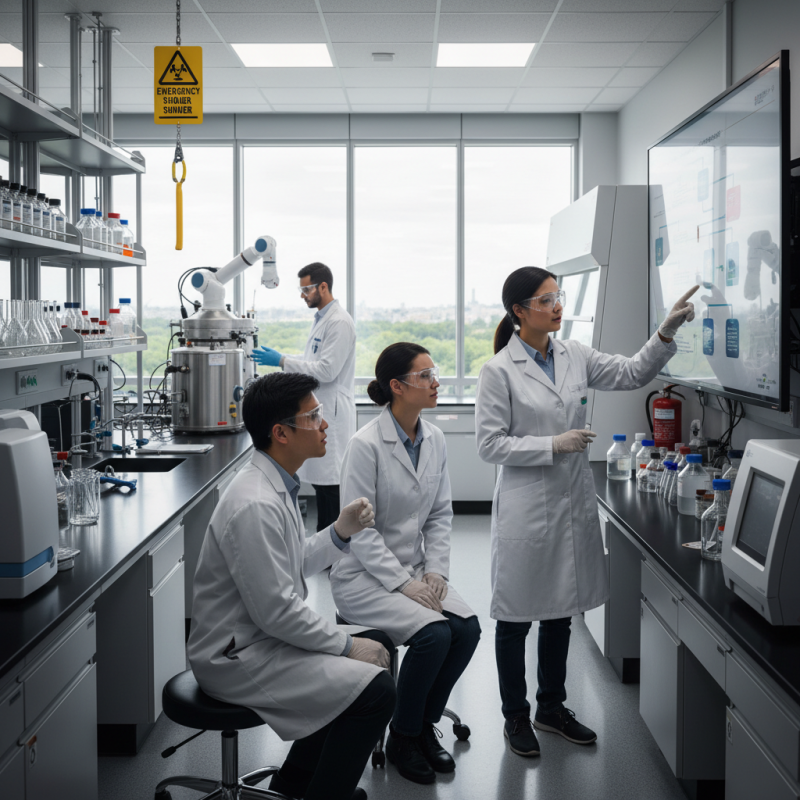
Laboratory safety is crucial for successful experiments. It protects researchers from accidents and ensures accurate results. Understanding the risks involved can help foster a safer environment for everyone.
Tips: Always wear personal protective equipment. Gloves, goggles, and lab coats are essential. They reduce exposure to hazardous materials. Stay organized; a cluttered workspace increases the chance of accidents.
Remember, human error can happen anytime. Even experienced researchers can make mistakes. Regularly reviewing safety protocols helps build awareness. Check that safety equipment is in working order. Know the location of fire extinguishers and eye wash stations.
Tips: Keep a first aid kit nearby. Quick access can make a difference during emergencies. Encourage open communication about safety issues. Sharing concerns can lead to better practices. Safety is everyone's shared responsibility.
Laboratory safety is critical for effective research. Understanding regulations helps create a safer working environment. Key standards like OSHA guidelines ensure that labs adhere to safety protocols. These rules cover areas such as chemical handling, equipment use, and personal protective gear.
Training is essential. Regular workshops keep everyone updated. It’s easy to overlook outdated practices or ignore protocols. A minor lapse can lead to accidents. Routine safety audits help identify areas for improvement. Lab managers should encourage reporting near-misses without fear.
Safety Data Sheets (SDS) are indispensable resources. They provide vital information on chemical hazards. Personnel should always access and review these documents. Yet, many skip this step in haste. Establishing a culture of safety requires commitment. Everyone plays a role, and reminders can keep safety top of mind.
In any laboratory setting, personal protective equipment (PPE) is crucial for ensuring safety. Wearing gloves, goggles, and lab coats protects against spills and splashes. Each piece of equipment has a specific role. Gloves prevent skin contact with hazardous materials. They come in various materials, each suited for different substances. However, it's easy to overlook wear and tear on gloves. Regularly checking for holes or tears is essential.
Goggles protect the eyes from chemical splashes. They should fit well, allowing for a clear line of sight. Many forget to adjust their goggles properly. This can lead to accidents. Lab coats serve as a barrier against spills. Choosing a coat with long sleeves minimizes exposure. It's important to wash lab coats regularly, as they can harbor contaminants.
Remember, wearing PPE isn’t a one-time task. It requires constant awareness and maintenance. Relying solely on PPE can create a false sense of security. Always combine PPE with proper lab practices. Engage in regular safety training sessions to stay updated. This approach not only safeguards personal health but also promotes a secure working environment for everyone involved.
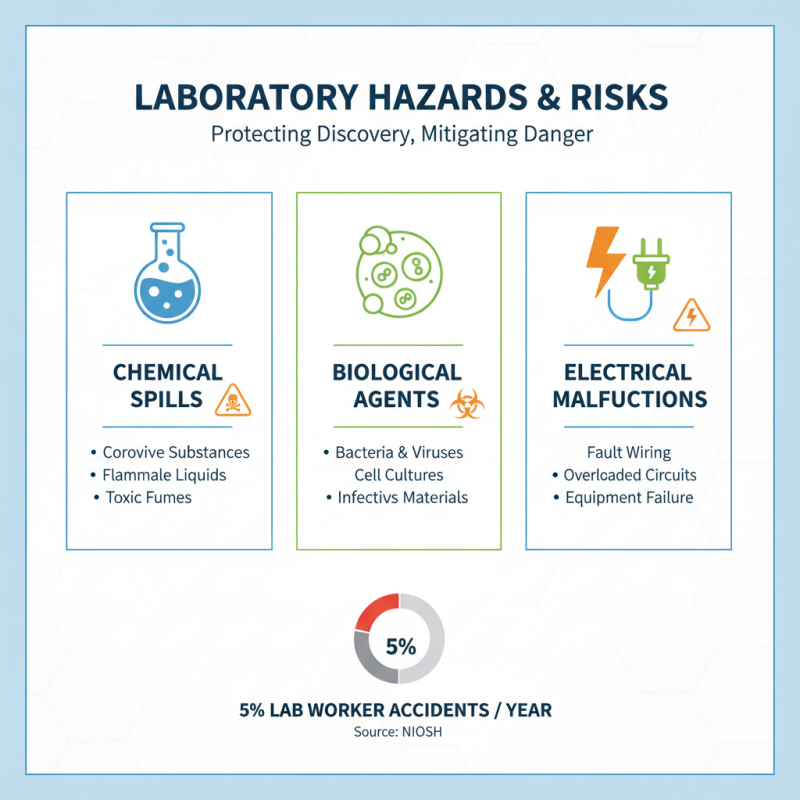
Laboratories are bustling hubs of discovery, but they also come with inherent risks. Common hazards include chemical spills, biological agents, and electrical malfunctions. According to the National Institute for Occupational Safety and Health (NIOSH), approximately 5 percent of laboratory workers experience accidents each year. Understanding these risks is essential for any research environment.
Tip: Always utilize appropriate personal protective equipment (PPE). This includes gloves, goggles, and lab coats. They can significantly reduce exposure to hazardous materials. Regularly inspect PPE for damage.
Chemical spills are a frequent issue. Each year, thousands of incidents occur due to improper handling of reagents. It’s crucial to store chemicals correctly and label them clearly. Encourage a culture of safety where everyone feels responsible. Regular training sessions can raise awareness about best practices.
Tip: Conduct routine safety drills. This approach keeps everyone prepared for emergencies, such as spills or fires. Everyone should know the location of emergency exits and equipment.
Biological hazards pose another challenge. Bacteria and viruses may be present in lab materials. Ensure biosafety cabinets are used for handling these agents. Monitor expiration dates for all biological materials to avoid working with outdated specimens.
Tip: Foster open communication about safety concerns. A collaborative environment helps identify potential hazards before they become serious problems. Regularly review protocols and adjust them as needed for continuous improvement.
Laboratories can pose various risks. Each experiment requires careful planning. A good emergency procedure can minimize harm when accidents happen. According to a recent report, around 25% of lab accidents occur due to inadequate safety measures. Therefore, having a well-defined response plan is essential.
In case of spills, immediately alert others. Secure the area, and follow the spill procedure outlined in your safety manual. A quick response can mitigate hazards. Remember, every lab should regularly conduct drills. This practice reinforces the procedures and helps staff remember their roles during an emergency.
Tips: Regularly review safety protocols with your team. Refreshments on roles and responsibilities help keep protocols top of mind. Encouraging an open culture regarding safety concerns can also improve overall lab safety. Always keep emergency contacts visible in the lab, ensuring quick access during critical times.
| Emergency Procedure | Response Action | Responsible Personnel | Contact Information |
|---|---|---|---|
| Chemical Spill | Evacuate area, notify supervisor, and follow spill cleanup procedures. | Lab Supervisor | (555) 123-4567 |
| Fire | Activate fire alarms, use fire extinguishers if safe, and evacuate. | Safety Officer | (555) 234-5678 |
| Electrical Shock | Do not touch the victim, turn off power if safe, call for medical assistance. | First Aid Team | (555) 345-6789 |
| Gas Leak | Evacuate immediately, avoid using electrical devices, notify authorities. | Emergency Response Team | (555) 456-7890 |
| Injury | Provide first aid, notify supervisor, and seek medical assistance. | Lab Technician | (555) 567-8901 |