China Best Cryo Storage Tanks for Global Buyers?
Choosing the right China cryo storage tanks requires more than comparing prices or browsing supplier catalogs. Global buyers must examine design standards, material quality, testing records, service capability, and delivery reliability. A tank may look polished in photographs, yet weld quality and insulation performance decide its real value.
This introduction explores how buyers can evaluate China-made cryo storage equipment for laboratories, hospitals, food processing facilities, and industrial gas applications. It considers working temperature, storage capacity, vacuum insulation, pressure protection, stainless steel grades, and monitoring systems. Practical details matter. For example, a reliable tank should maintain stable conditions during loading, transport, and repeated daily use. Clear documentation matters too, including inspection reports, maintenance guidance, and traceable manufacturing records.
Experience often reveals weaknesses that specifications hide. Ask how the manufacturer handles vacuum loss, valve replacement, emergency support, and spare parts. Also check whether its engineers understand your local installation conditions. Standards and certifications should be verified independently, not accepted from unclear marketing claims. No supplier is perfect. Even a strong manufacturer may have limited overseas service coverage or slower customization.
That deserves attention.
By comparing verified production experience, technical competence, communication quality, and after-sales support, buyers can make a more defensible decision. The best cryo storage solution is not always the cheapest tank. It is the equipment that protects stored materials, supports safe operation, and remains dependable throughout its working life.
Cryo Storage Tanks: Definition, Purpose, and Core Applications
China Best Cryo Storage Tanks for Global Buyers?
Cryo Storage Tanks: Definition, Purpose, and Core Applications
A cryogenic storage tank is an engineered vessel for keeping liquefied gases at extremely low temperatures. Common contents include liquid nitrogen, oxygen, argon, and carbon dioxide. These tanks use vacuum insulation, reflective layers, and pressure-control devices to reduce heat transfer. A well-designed unit can limit evaporation, protect product quality, and support safer handling. Frost around a valve may signal insulation damage or poor operating control. That detail matters.
Hospitals use cryogenic tanks for medical gas reserves and laboratory preservation. Research centers store biological samples, while food processors use nitrogen for rapid freezing and packaging. Manufacturing plants may need these tanks for cutting, welding, or controlled atmospheres. Global buyers should check working volume, design pressure, material quality, inspection records, and local compliance requirements. Tank performance depends on installation and maintenance, not only factory specifications. No tank is perfect. A checklist can still miss site conditions.
Tips: Confirm the actual daily consumption before choosing capacity. Ask for vacuum-loss data and pressure-test documentation. Inspect gauges, relief devices, valves, and piping connections regularly. Keep the tank on a stable foundation with clear ventilation. Train operators carefully, because small mistakes can waste expensive cryogenic liquid.
Key Specifications for Comparing Chinese Cryogenic Storage Tanks
China Best Cryo Storage Tanks for Global Buyers?
Key Specifications for Comparing Chinese Cryogenic Storage Tanks
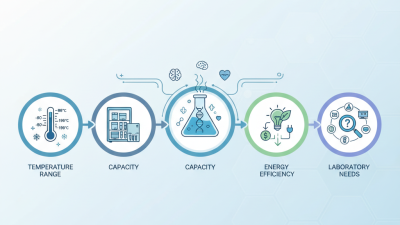
A serious comparison starts with usable volume, not advertised capacity. For liquid nitrogen, oxygen, or argon, check the net working volume after safe liquid limits. Vessel design should follow recognized requirements, including ISO 21009-1 for static vacuum-insulated vessels and ASME Section VIII where applicable. Ask for design pressure, operating pressure, test pressure, and relief-device settings. Numbers can mislead.
Thermal performance deserves closer attention.
A quality tank should state its daily boil-off rate under defined ambient conditions, fill level, and measurement time. Many industrial vessels report roughly 0.1% to 0.5% daily loss, but geometry changes the result. Vacuum quality, insulation thickness, neck design, and pipe supports all matter. The 2024 MarketsandMarkets report valued the global cryogenic equipment market at more than 20 billion US dollars, showing strong demand but not proving equal manufacturing quality. Ask for test evidence.
Material selection also affects service life. Austenitic stainless steel is common for the inner vessel, while carbon steel may serve the outer shell. Confirm weld procedures, non-destructive testing, vacuum-leak records, and low-temperature impact performance. Request certificates for pressure testing and material traceability. The International Energy Agency’s Global Hydrogen Review 2024 highlights expanding hydrogen infrastructure, where storage reliability is critical. I would not compare price alone. A weakness remains: some quotations omit insulation-loss data. Ask for measured results, not promises.
Leading Chinese Tank Types for Different Global Storage Needs
China Best Cryo Storage Tanks for Global Buyers?
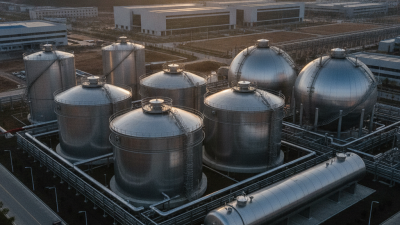
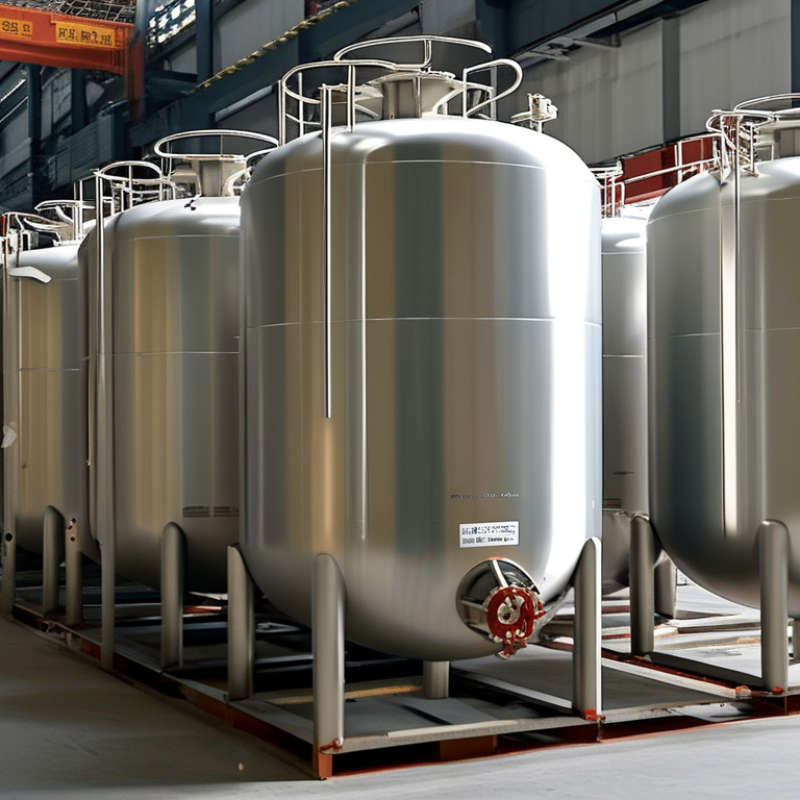
Chinese manufacturers offer several cryogenic tank types for different global storage needs. Vertical vacuum-insulated tanks suit hospitals, laboratories, and factories with limited floor space. Their tall structure supports efficient liquid storage in a compact area. Horizontal tanks work better at fuel stations and industrial sites with wider installation zones. They also allow convenient access for inspection and liquid transfer.
Small transportable tanks help remote laboratories and temporary projects. Microbulk systems serve facilities needing regular nitrogen, oxygen, or argon delivery without frequent cylinder replacement. For larger plants, fixed atmospheric tanks provide higher capacity and stable daily supply. Site conditions matter more than tank size. Check foundation strength, local climate, road access, and vaporization demand before selecting a model.
In field inspections, I would examine vacuum stability, weld quality, pressure-test records, and safety-valve settings. Reliable suppliers should provide material certificates, drawings, maintenance instructions, and traceable inspection documents. The tank must also match the destination country’s pressure and transport requirements. A useful detail is the outer surface temperature. Excessive frosting can indicate insulation or vacuum problems. No tank is perfect. Some low-cost designs may simplify fittings or documentation, creating trouble during installation. Buyers should request clear technical data and independent verification before payment.
Quality, Safety, and Certification Requirements for International Buyers
For global buyers, cryogenic tank quality begins with verified design, not polished photographs. Liquid nitrogen boils at about -196°C, according to the NIST Chemistry WebBook. This extreme temperature demands sound vacuum insulation, stable pressure control, and compatible materials. Ask for material certificates, weld procedures, radiographic records, and factory pressure-test results. ISO 21009-1 addresses static vacuum-insulated vessels, including design, manufacture, inspection, and testing. It should guide the technical review.
Safety documents must match the destination market. Buyers may need ASME Section VIII certification, PED conformity, TPED approval, or ADR transport compliance. Requirements depend on pressure, volume, gas, and installation location. A certificate alone is not enough. Check the certificate number, issuing body, scope, and expiry date. The NIST Chemistry WebBook also lists oxygen’s boiling point near -183°C, showing why oxygen service requires strict cleanliness controls. The WHO’s Cold Chain Equipment Management guidance emphasizes temperature monitoring, maintenance records, and trained operators. Those details matter during customs checks and commissioning.
In practice, request a complete data pack before ordering. Include drawings, relief-valve settings, vacuum-loss limits, spare-parts lists, and inspection schedules. A remote video inspection can reveal poor valve protection or uneven pipe supports. It is not a full substitute for an independent inspection. Some buyers focus heavily on price and regret ignoring delivery testing. That mistake remains common. A tank can look excellent outside while its vacuum performance quietly declines.