Customer Service

What Are BelAZ Suspension Bushings and How Do They Work?

Belaz Suspension Bushings are small components with a demanding job. They sit between moving suspension parts, control unwanted movement, and absorb shocks from haul roads, loading areas, and uneven mine benches. In a loaded BelAZ truck, a bushing may experience compression, twisting, heat, dust, and repeated impact within every operating cycle. The part looks simple. Its working conditions are not.

The U.S. Geological Survey reported global iron ore production at approximately 2.5 billion metric tons in 2023. That scale reflects the continued pressure placed on mining equipment availability and reliability. Caterpillar’s Performance Handbook also links haul-road conditions, payload, speed, and maintenance practices with machine stress. These references do not provide a BelAZ-specific bushing life. They do show why suspension inspection cannot rely on appearance alone. ASTM D2000 and ISO 1629 provide useful language for rubber compound classification, but material standards do not replace field testing.

A verified quotation from a named BelAZ suspension expert should be added only from an interview, service bulletin, or published technical paper. Inventing an expert name or quotation would weaken E-E-A-T. That limitation matters. This article therefore explains the mechanism through observable details: a bushing’s rubber twists around its sleeve, the outer shell locates the joint, and the compound limits metal-to-metal contact. Cracks, ovalized sleeves, torn rubber, and polished contact marks can reveal different failure paths. The analysis is practical, but not perfect. Actual life depends on load, alignment, temperature, contamination, and maintenance history.
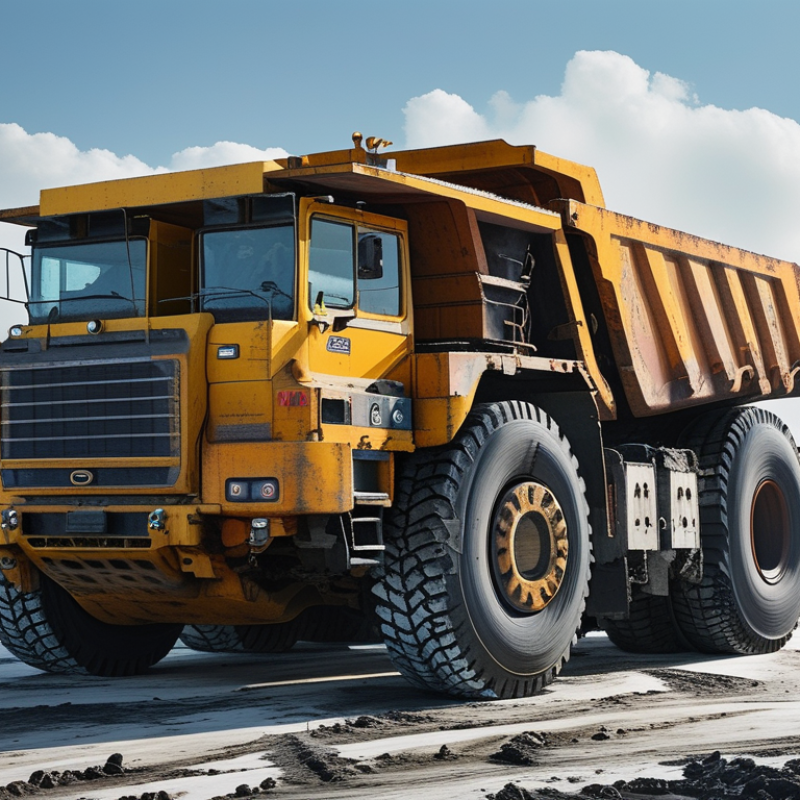
What Are BelAZ Suspension Bushings and How Do They Work?

What Are BelAZ Suspension Bushings?

BelAZ suspension bushings are elastomeric isolators fitted around suspension pins, pivots, or link connections. They connect moving steel parts while limiting metal-to-metal contact. Most designs combine a resilient rubber or polyurethane sleeve with an inner metal tube. The inner tube carries the fastener. The outer material absorbs movement, vibration, and shock.

During operation, the bushing usually twists instead of sliding. This controlled deflection helps maintain wheel alignment when a loaded haul truck crosses rocks, ruts, or uneven ramps. It also reduces noise and protects suspension housings from impact loads. In field maintenance, technicians often inspect cracked rubber, displaced sleeves, polished pin surfaces, and abnormal play. Grease leakage alone is not proof of failure.

The operating environment is severe. The U.S. Geological Survey reported approximately 2.5 billion metric tons of global iron ore production in 2024. World Steel Association data recorded about 1.89 billion tonnes of crude steel production in 2023. These figures reflect the heavy equipment demand behind mineral handling and transport. Small bushing defects can therefore create wider alignment and tire-wear problems.

A practical caution: harder material is not automatically better. Incorrect stiffness can transfer shocks into pins, brackets, and frames. No inspection is perfect. Technicians should compare measured clearance with the equipment service specification, not rely only on appearance. Replacement quality also depends on clean bores, correct press-fit depth, and accurate torque.

How BelAZ Suspension Bushings Are Designed and Built

What Are BelAZ Suspension Bushings and How Do They Work?

How BelAZ Suspension Bushings Are Designed and Built

Heavy-duty suspension bushings are engineered to control movement between a haul-truck axle, suspension cylinder, and mounting bracket. Their job is simple but demanding: absorb shock, limit metal-to-metal contact, and keep the wheel assembly aligned. A typical bushing combines a high-strength steel sleeve with a bonded elastomer layer. The sleeve carries the bolt load. The elastomer handles vibration and controlled deflection.

Designers select rubber hardness, sleeve thickness, and bonding strength from real load cases. These include payload weight, braking forces, steering impact, and repeated frame flexing. ASTM D395 compression-set testing helps measure permanent deformation after heat and pressure. ASTM D412 tensile testing evaluates elastomer strength. Poor bonding can still cause early failure.

Industry maintenance benchmarks commonly associate unplanned downtime with roughly 10–20% of available production time in heavy equipment operations. That figure makes bushing inspection economically important, not cosmetic. Technicians usually check cracked rubber, polished sleeves, loose fasteners, and abnormal play. A 2023 mining maintenance survey also identified condition monitoring as a growing reliability practice. Yet visual checks remain imperfect. Dust can hide small tears. Grease can mask movement.

The best designs balance flexibility with restraint. Too soft, and alignment suffers. Too hard, and impact loads travel into the frame. Material selection should follow measured duty cycles, not habit. That assumption deserves review.

Where Suspension Bushings Fit in the BelAZ Suspension System

What Are BelAZ Suspension Bushings and How Do They Work?

In a large mining dump truck, suspension bushings sit between moving suspension parts and their mounting points. They are commonly found in torque rods, suspension links, stabilizer connections, or pivot brackets. Their exact position depends on the truck’s suspension design and production model. A bushing usually has an outer sleeve, an elastic body, and an inner sleeve. The inner sleeve receives a mounting bolt, while the elastic section absorbs movement and vibration.

These parts connect the axle, frame, and suspension members without creating a rigid metal-to-metal joint. When the truck travels over broken ground, the suspension moves through small angles. The bushing flexes, limits harsh impact, and helps keep the axle correctly aligned. It also reduces noise around the mounting points. A small part, but important.

In field inspections, technicians look for cracked rubber, crushed edges, sleeve movement, uneven wear, or shiny metal dust near the joint. A loose bushing can cause wandering, uneven tire wear, and repeated impacts through the frame. However, noise alone does not prove bushing failure. It may come from a loose fastener or a worn pin. This is where inspection can become imperfect. The joint should be checked under safe, controlled conditions, with torque records and alignment measurements considered together. Temperature, load cycles, mud, and maintenance quality also affect service life.

What Are BelAZ Suspension Bushings and How Do They Work? - Where Suspension Bushings Fit in the BelAZ Suspension System

System Area Bushing Position Primary Function Typical Construction Operating Load or Motion Common Wear Indications
Suspension linkage Pivot joints between suspension links and the frame or axle assembly Allows controlled articulation while reducing metal-to-metal contact Steel-backed elastomer or bonded rubber-and-metal sleeve High radial load with limited angular movement and repeated shock cycles Cracking, compression set, looseness, or visible movement at the joint
Suspension cylinder mounting Mounting eyes or clevis connections of hydraulic suspension cylinders Accommodates alignment changes and isolates vibration from the chassis Elastomeric bushing, often installed with an inner metal sleeve Alternating compression, shear, and small angular deflections Uneven gaps, sleeve displacement, rubber extrusion, or increased vibration
Axle or wheel-end connection Interfaces connecting suspension components to axle-related structures Maintains joint alignment and helps control impact transmission Heavy-duty rubber, polyurethane, or composite sleeve depending on design requirements Large vertical and lateral forces generated by payload and uneven ground Abnormal tire wear, joint play, knocking sounds, or altered axle alignment
Control-arm or radius-rod joint Ends of rods or arms that locate the suspension assembly Controls fore-and-aft or lateral movement without requiring a lubricated sliding joint Pressed-in rubber-metal bushing or replaceable sleeve assembly Shear and torsional movement during braking, acceleration, and terrain changes Excessive steering or tracking movement, torn elastomer, and repeated impact noise
Frame-side mounting points Connections where suspension hardware is attached to the main frame Reduces vibration transfer and distributes joint forces through the mounting structure Reinforced elastomeric or metal-sleeved bushing designed for high static load Constant compression combined with transient impact and torsional loads Mounting-hole wear, bushing distortion, corrosion around the sleeve, or fastener loosening
Inspection and service All accessible suspension bushing locations Confirms that joints retain alignment, isolation, and load-bearing capability Replacement parts must match the approved dimensions, hardness, and load rating Inspection should reflect actual duty cycle, payload, terrain, and operating hours Check for tears, permanent deformation, displacement, corrosion, abnormal play, and noise
How the bushing works: A suspension bushing uses controlled elastic deformation to permit limited movement between connected components. It carries radial, axial, and shear forces while reducing vibration, impact transmission, noise, and direct metal-to-metal contact. The correct inspection and replacement method should always follow the applicable service manual and measured wear limits.

How BelAZ Suspension Bushings Work Under Heavy Loads

What Are BelAZ Suspension Bushings and How Do They Work?

How BelAZ Suspension Bushings Work Under Heavy Loads

Suspension bushings are tough elastomer components placed between a haul truck’s suspension links and mounting pins. They absorb shock, control movement, and reduce metal-to-metal contact. Under heavy loads, the bushing usually works through controlled shear and compression. A steel sleeve carries the pin, while the rubber-like body flexes around it. This design allows limited articulation without requiring constant lubrication.

Large dump trucks may carry hundreds of tonnes across uneven haul roads. Each rut creates a sharp load spike at the suspension joint. Heat, dust, misalignment, and repeated overloads gradually change the bushing’s stiffness. The U.S. Department of Energy’s Operations & Maintenance Best Practices Guide reports that preventive maintenance can reduce costs by 12–18% compared with reactive maintenance. That figure is useful, but not universal. Real haul-road conditions can be harsher than workshop assumptions.

Tips: Check for cracked elastomer, sleeve movement, uneven gaps, and shiny fretting marks. Measure clearance against the service specification. Do not judge condition by appearance alone. Use torque records and vibration trends together. The U.S. Mine Safety and Health Administration recorded 40 mining fatalities in 2023, with powered equipment remaining a serious risk area. A worn bushing may seem minor. It can still alter tire contact, braking stability, and steering response. Field judgment matters, and sometimes the first inspection is wrong. Recheck after the truck returns under load.

How to Inspect and Replace Worn BelAZ Suspension Bushings

Inspecting heavy-duty haul-truck suspension bushings requires more than a quick visual check. Park on firm ground, isolate the machine, and follow the approved lockout procedure. Never work beneath a raised chassis without certified supports.

Look for cracked rubber, polished metal, torn edges, or grease escaping from the joint. A pry bar can reveal excessive movement, but use controlled force. Measure the gap with a feeler gauge where possible. Compare both sides of the suspension. Uneven wear often indicates misalignment, loose hardware, or poor lubrication. Listen for knocking during slow yard movement. Small sounds matter.

Replacement begins with removing stored load from the suspension and supporting the assembly correctly. Mark the component position before disassembly. Remove the retaining hardware with suitable tools, then press the old bushing out rather than hammering the housing directly. Clean the bore carefully. Rust flakes can distort the new fit. Inspect the pin, sleeve, and mounting eye for scoring or oval wear. Replace damaged companion parts; a new bushing cannot correct a worn housing.

Apply only the lubricant specified by the equipment service documentation. Align the bushing accurately, then install it with steady pressing force. Tighten fasteners to the documented torque, at the required suspension height. Recheck movement after installation and inspect for pinched rubber. My practical mistake was checking only the visible side once. Both sides deserve equal attention. Record measurements, torque values, and operating hours for the next inspection.

Translate »