Choosing the right laboratory equipment supplier can shape research quality, safety, and daily productivity. In 2026, laboratories face tighter budgets, faster testing demands, and higher expectations for traceability. A reliable supplier must offer more than polished catalogs. It should provide accurate specifications, calibration records, responsive technical support, and dependable delivery.
This guide examines leading laboratory equipment suppliers worldwide through practical evaluation criteria. These include product quality, service coverage, warranty terms, compliance documentation, spare-part availability, and user feedback. Equipment must perform consistently under real conditions, from a centrifuge running repeated cycles to a freezer holding sensitive samples overnight. Small details matter. Clear manuals matter too.
The discussion considers suppliers serving universities, hospitals, pharmaceutical companies, food laboratories, and industrial facilities. It also recognizes regional differences in pricing, installation, training, and after-sales support. A supplier with excellent products may still disappoint when replacement parts arrive slowly. That weakness deserves attention.
No supplier is perfect. Rankings can change with location, application, and purchasing volume. This overview therefore avoids relying on brand reputation alone. It encourages buyers to compare validated specifications, service agreements, and total ownership costs. Independent verification remains important, especially for temperature-controlled, analytical, and high-precision equipment.
The goal is practical guidance, not advertising. Readers can use these insights to build a safer, more efficient laboratory equipment purchasing strategy in 2026. Some recommendations may require further checking. That is intentional. Careful decisions begin with honest questions.
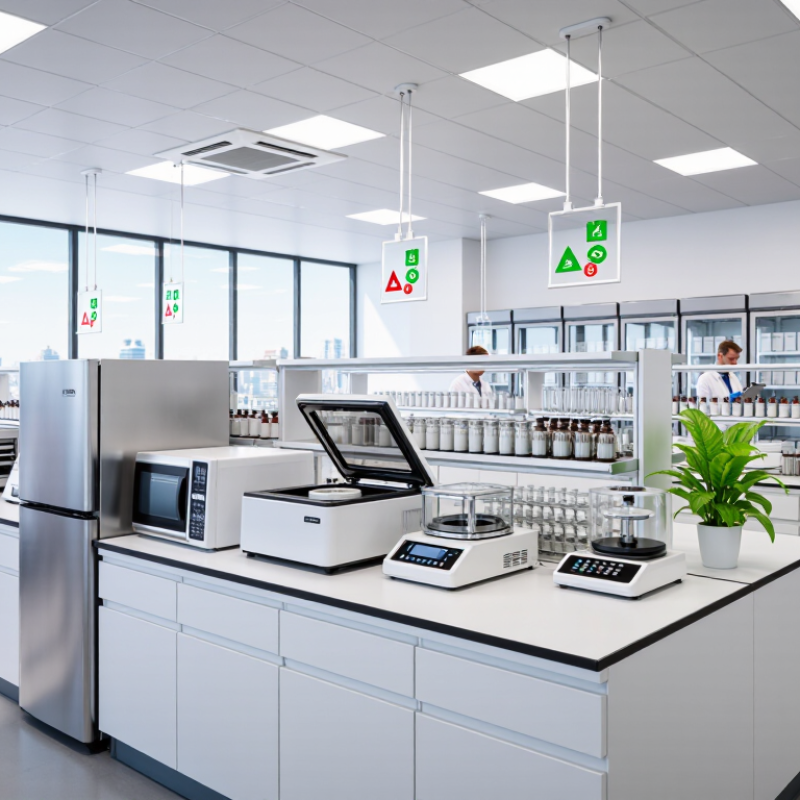
In 2026, laboratory equipment suppliers include manufacturers, distributors, installers, and technical service providers. Their scope covers instruments, sample preparation tools, safety systems, monitoring devices, and supporting software. It may also include calibration, maintenance, training, and replacement parts.
The boundary is not perfectly clean. A supplier may design equipment but outsource installation. Another may provide regional distribution and qualified repair services. For this reason, a reliable supplier should be assessed beyond product catalogs. Check technical documentation, calibration traceability, response times, warranty terms, and staff competence. Strong suppliers also explain equipment limits clearly. This builds trust and supports repeatable laboratory work. Sustainability now matters too, including energy use, packaging, repairability, and responsible disposal guidance. Yet these claims require evidence, not attractive wording.
Tips: Define your laboratory’s actual workflow before comparing suppliers. Record sample types, daily capacity, accuracy needs, available space, and staff skills. Request a demonstration using realistic samples when possible. Ask for service records and local support details. Do not assume the lowest price reflects the lowest long-term cost. A cheaper instrument may require frequent parts, complex training, or longer downtime. My own assessment would remain cautious when specifications look unusually perfect. Independent user feedback and documented performance data can reveal gaps that brochures often hide.
Choosing a laboratory equipment supplier in 2026 requires more than comparing prices or attractive catalogs. Start with technical fit, product quality, and documented performance. Check calibration records, material specifications, safety testing, and compatibility with your existing workflow. A centrifuge may look suitable online, yet its rotor capacity, noise level, or maintenance needs can disrupt daily work. Fit matters.
Supplier experience should be visible in practical support. Review installation procedures, user training, spare-parts access, and response times for service requests. Ask whether engineers provide clear troubleshooting guidance after delivery. Request references from laboratories with similar workloads.
Independent certifications and transparent quality systems also strengthen credibility. A polished website can still hide weak support. I have learned that delivery accuracy matters as much as technical specifications.
Tips: Create a weighted evaluation sheet before contacting suppliers. Give separate scores for performance, compliance documents, warranty terms, service coverage, delivery reliability, and total ownership cost. Ask for a sample quotation with installation and calibration included. Read the exclusions carefully. Short warranties may signal future expense. Also, test communication quality during early discussions; unclear answers often become slower support later. No supplier is perfect, so record unresolved questions and review them with your laboratory team before signing.
The 2026 supplier landscape is best evaluated by product category, not popularity alone. Analytical instruments, life-science systems, laboratory automation, and general equipment require different technical capabilities. Fortune Business Insights valued the laboratory equipment market at approximately USD 39 billion in 2023. Grand View Research reported a similar, slightly higher estimate. Market rankings are imperfect. Definitions and measurement methods differ.
For analytical instruments, buyers should examine detection limits, calibration records, software validation, and local service capacity. Life-science equipment demands reliable temperature control, contamination management, and replacement-part access. Automation suppliers need proven integration with laboratory information systems. Service matters. ISO/IEC 17025 traceability and documented maintenance schedules can reveal more than a product brochure.
Regional strengths also shape supplier selection. North America remains influential in advanced research and laboratory automation. Europe continues to emphasize precision, sustainability, and regulated quality systems. Asia-Pacific is expanding rapidly, supported by pharmaceutical manufacturing, university investment, and public research programs. Mordor Intelligence and MarketsandMarkets both identify Asia-Pacific as one of the fastest-growing laboratory equipment regions, although their growth forecasts differ. Regional fit matters. A supplier with strong engineering may still perform poorly without local technicians, training, and spare-parts inventory. OECD research and development statistics also show uneven investment across economies, so purchasing decisions should reflect real laboratory demand rather than headline growth. A polished catalogue can mislead. Audited references, response-time data, and total operating cost provide stronger evidence.
Laboratory procurement is moving beyond purchase price. In 2026, buyers will compare uptime, service response, training, and total ownership costs. A freezer that consumes less electricity may still disappoint if replacement parts take months to arrive. Procurement teams are requesting clearer maintenance records, realistic delivery schedules, and verified performance data.
Interoperability is becoming a practical requirement. Instruments must exchange results with laboratory information systems and support secure data transfer. Buyers are also checking calibration procedures, software update policies, and cybersecurity controls. These details matter during audits, especially when several instruments operate across different sites. A polished product demonstration is not enough.
Sustainability is influencing supplier evaluations. Laboratories are examining energy use, packaging volume, repairability, and equipment disposal plans. Local technical support can reduce shipping emissions and shorten downtime. However, sustainability claims are sometimes difficult to compare. Procurement teams should request measurable evidence instead of accepting broad environmental language.
Automation and remote monitoring will continue expanding, particularly in high-volume laboratories. Yet automation does not remove every operational problem. Staff still need training, contingency procedures, and hands-on experience with failures. That assumption deserves scrutiny. The strongest suppliers in 2026 will likely combine dependable equipment with transparent documentation, responsive support, and adaptable procurement terms. Reliability remains more valuable than impressive specifications alone.
How to Select the Right Laboratory Equipment Supplier for Your Needs
Choosing a laboratory equipment supplier in 2026 requires more than comparing prices. Start with workflow, risk, and total ownership cost. Grand View Research’s 2024 report estimates the laboratory equipment market will grow at roughly 7% annually through 2030. Growth is not proof of quality. Your supplier still needs evidence.
Request calibration records, conformity documents, service procedures, and spare-parts commitments. Check whether technicians can respond within your required timeframe. For connected instruments, review software updates, data backup, and access controls. MarketsandMarkets’ 2024 report projects the laboratory automation market to increase from about 5.3 billion dollars in 2023 to 8.8 billion dollars by 2028. This makes integration capability increasingly important. However, automation may create training gaps. That risk is easy to underestimate.
Tips: Build a weighted scorecard before requesting quotations. Give service, accuracy, validation support, and uptime clear scores. Ask for two customer references with similar workloads. Compare five-year costs, not only purchase prices. Review the contract carefully. A low quote can become expensive when repairs, consumables, or delays appear. No checklist is perfect. Revisit it after a pilot installation.